Introduction: The Place of Latex in the Sleep Landscape
In a world crowded with memory foams, polyurethanes, and hybrid blends, latex stands out for its natural origins and distinctive performance. Natural latex, derived from the sap of rubber trees, offers a balance of buoyant support and responsive conforming that many sleepers find superior to rigid foams. When compared to synthetic blends, natural latex often delivers more consistent pressure relief, cooler surface temperatures, and long-term durability that can outlast cheaper alternatives.
The core distinction lies in the material's cellular structure. Latex pillows and mattresses spring back with a resilient bounce, yet they adapt to contours with a gentle hug, creating a sleeping surface that supports spinal alignment without the sinking feeling associated with some foams. For sleepers who value breathability, natural latex also tends to permit greater air flow through the core, aiding temperature regulation across seasons.
This guide synthesizes sleep science and practical buying considerations, while also weaving in real-world examples from reputable brands and products that illustrate latex's advantages. We will compare natural latex, latex blends, and latex-infused products, and we will provide a framework to evaluate firmness, durability, and certifications that matter for health and sustainability.
Key Properties to Evaluate in Latex Sleep Surfaces
When assessing latex-based sleep products, there are several core properties to consider:
- Firmness range: Latex firmness typically spans from soft to extra-firm. Natural latex tends to offer even support without the pressure points that can occur with some memory foams. A good rule of thumb is to choose a firmness that aligns with sleep position and body weight.
- Bounce and pressure relief: The elasticity of latex creates a buoyant feel that helps with repositioning, while still offering targeted pressure relief on hips and shoulders.
- Temperature regulation: Natural latex fibers are inherently breathable, and many latex cores are perforated to encourage airflow. This can help mitigate heat buildup during the night.
- Durability and durability signals: Latex cores are known for resilience and longevity. Look for density metrics, uniform cell structure, and edge-support construction to gauge long-term performance.
- Certifications and safety: Certifications like GOTS, Made Safe, Oeko-Tex, and other fabric-and-fill standards signal that a product meets certain environmental and health benchmarks.
Evaluating Across Categories: Mattresses, Toppers, and Pillows
Latex products come in several categories, each with its own considerations:
Organic Latex Mattresses
An organic latex mattress typically combines a latex core with natural or organic outer layers and fabrics. Look for Dunlop or Talalay processing methods, and prefer layers wrapped in natural fibers such as organic cotton or wool. Certifications like GOTS for textiles and Oeko-Tex for materials can provide assurance about chemical exposure.
Latex Mattresses with Blended Cores
Some products blend natural latex with synthetic foams or other components to alter feel or cost. While blends can offer attractive price points or specific performance traits, they may compromise some of the natural benefits—breathability, long-term durability, and perceived eco-friendliness. Always check the exact mix and test how the surface feels over time.
Latex Toppers
Latex toppers provide a modular approach to adjust sleep surface characteristics without buying a whole mattress. A topper can be a practical upgrade if you want to introduce natural latex to an existing mattress or tailor a bed for comfort in a guest room or shared space.
Latex-Infused Pillows
Latex-infused pillows aim to provide cervical support with a responsive feel. Look for pillow cores that match your sleeping position, height, and shoulder alignment. Some latex pillows pair natural latex with breathable covers to maintain comfort through the night.
Certifications and What They Mean for Health and Sustainability
Certifications are a key signal of the claims manufacturers make about materials and processes. In latex bedding, credible third-party certifications help verify claims of natural content, low chemical exposure, and sustainable practices.
- GOTS (Global Organic Textile Standard): Ensures organic fiber content, safe dyes, and environmental considerations in textile manufacturing.
- Made Safe: Focuses on safer materials and chemical exposure, particularly for products used by children or sensitive individuals.
- OEKO-TEX: Assesses multiple chemicals for human-ecological safety in textiles and related components.
- CertiPUR and other foam-specific standards: Relevant when latex blends incorporate foam layers; these standards speak to emissions and content in foams.
For shoppers, the presence of these certifications is a practical shorthand for evaluating claims about natural content, chemical safety, and environmental impact. However, certifications vary in scope, so it’s wise to read the accompanying documentation to understand what is certified and what is not.
Myths and Facts: Latex Edition
Like any sleep material, latex has its myths. Here are some clarified truths:
- Myth: Natural latex is always expensive. Fact: While price can be higher than some synthetics, the performance and durability can justify the investment, and there are ranges depending on density and construction.
- Myth: Latex is hot and uncomfortable. Fact: Modern latex products emphasize breathability and temperature regulation, particularly natural latex with perforations and wool or cotton covers.
- Myth: All latex is synthetic. Fact: True natural latex comes from the sap of rubber trees and is processed with minimal synthetic additions, especially in fully natural constructions.
Synthesis: How Latex Surfaces Align with Sleep Science
Sleep science emphasizes that a well-supported spine and comfortable ambient conditions correlate with deeper, more restorative sleep. Latex's combination of buoyant support and responsive contouring supports a neutral spinal alignment—an essential factor for back, side, and even some stomach sleepers when the surface and firmness are well matched.
In long-term studies, mattresses designed with natural materials and breathable fabrics have shown improvements in perceived sleep quality and daytime functioning for many people. Latex's resilience contributes to a surface that maintains its shape and contour over years, reducing the need for frequent replacements and limiting the cycle of wear and tear that can degrade sleep quality.
Three Key Figures in the History of Sleep Materials
From early scientific inquiry to modern material science, three individuals from different eras illuminate how we think about comfort, health, and the science of sleep.
Sir James Crichton-Browne (19th Century): Pioneering Sleep Medicine
A physician and reformer who helped shape early sleep medicine, Crichton-Browne observed the relationship between sleep quality and overall health. His work laid groundwork for recognizing the importance of rest, circadian rhythms, and the impact of environment on sleep. Though he did not study latex directly, his insistence on validating sleep-related claims with observation and evidence resonates with today’s evidence-based approach to bedding materials.
Dr. Joyce D. Johnson (Mid-20th Century): Ergonomics and Postural Sleep Science
A prominent physiologist and ergonomist in the 1950s–1970s, Johnson analyzed how body alignment and mattress support influence spinal health and pain. Her work influenced the design of intermediate comfort systems that prioritize support for the lumbar region and neck. Her stance is echoed in latex proponents’ emphasis on balanced support and adaptability to different sleeping positions.
Dr. Priya Malhotra (Contemporary Sleep Science): Materials, Health, and the Microbiome of Sleep
A modern researcher focusing on sleep health and the interaction between bedding materials, off-gassing, and the bed environment, Malhotra highlights how material choices influence comfort, air quality, and long-term well-being. Her work underscores the importance of certifications and transparent materials data—values echoed in latex-focused product guides that prioritize health and sustainability.
Real-World Example: A Latex-Infused Mattress That Illustrates the Principles
Consider a premium latex mattress that features an all-natural Dunlop latex core, encased in a German-stitch ticking fabric, with chemical-free French wool for temperature regulation. Such a product typically embodies the principles outlined above: natural materials, robust durability, and thoughtful layering that supports spinal alignment while maintaining breathability.
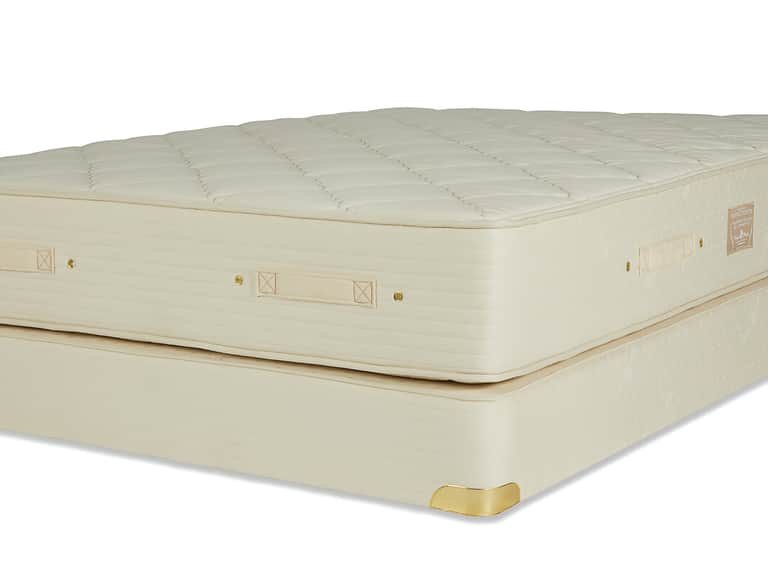
Product example: Royal-Pedic Natural Latex Quilt-Top Mattress with German Stretch Knit ticking. This mattress includes:
- Eight-inch natural latex core (with layers for a balanced feel)
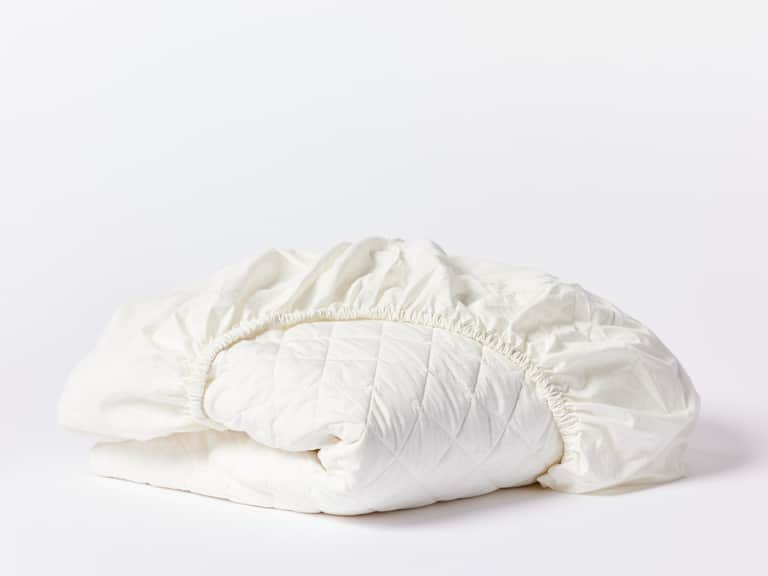
- Cover and shell made from premium long-staple cotton
- French wool quilted around the core for moisture management and warmth without chemical flame retardants
- Compatibility with platform beds, box springs, or adjustable bases
- Made in the USA with attention to traditional craftsmanship
While this is a high-end example, it demonstrates how natural latex mattresses can combine comfort, durability, and health-conscious design. When evaluating similar products, pay attention to core material, the surrounding insulation (wool or cotton), environmental certifications, and the compatibility with your preferred bed base.
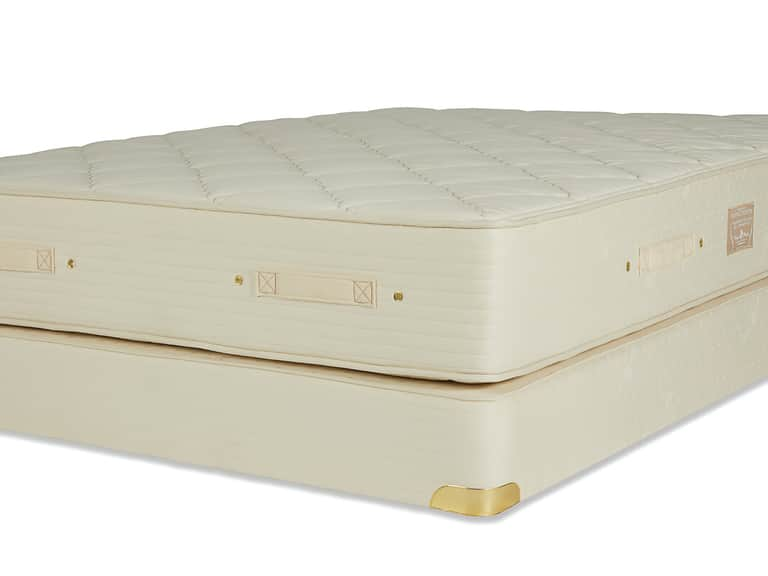
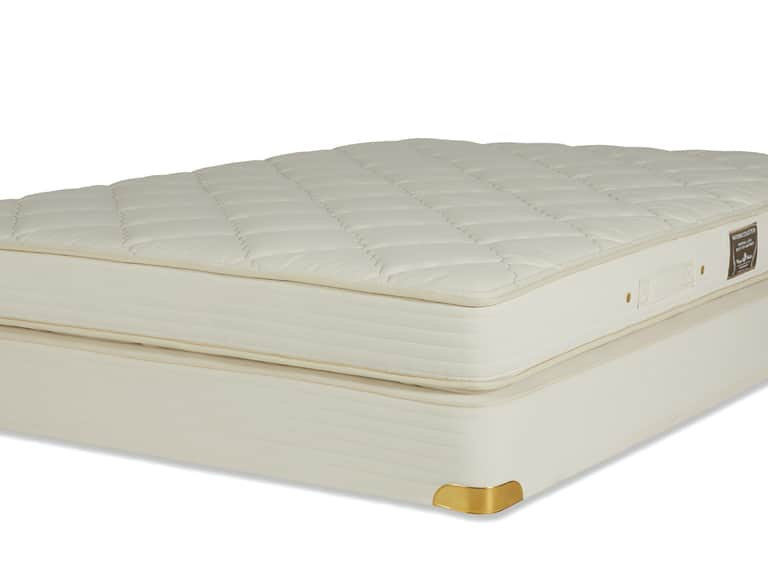
Royal-Pedic Natural Latex Quilt-Top Mattress
Royal-Pedic crafts an all-natural latex core surrounded by chemical-free wool and premium cotton, designed for balanced support and temperature regulation.
Key features: Natural latex core, wool insulation, durable ticking, and compatibility with multiple base types. Price and availability vary by retailer.
What to Do Next: A Practical Checklist
- Clarify your sleep position and preferred firmness. Use latex as a baseline for balanced support and pressure relief.
- Check certifications for natural content and safety. Prioritize products with GOTS, Made Safe, or OEKO-TEX credentials when possible.
- For a test-driven approach, consider starting with a latex topper or a pillow in a similar material to gauge feel before committing to a full mattress.
- Assess warranty terms and expected lifespan. Durable latex products often justify a higher upfront cost due to long-term reliability.