Foam mattresses are a popular sleep surface due to their supportive yet cushioning nature. These beds utilize memory foam or polyurethane foam layers to contour to the body's curves, promoting spinal alignment and pressure relief. The material's density and firmness options influence bounce, motion isolation, and overall comfort for different sleep positions.
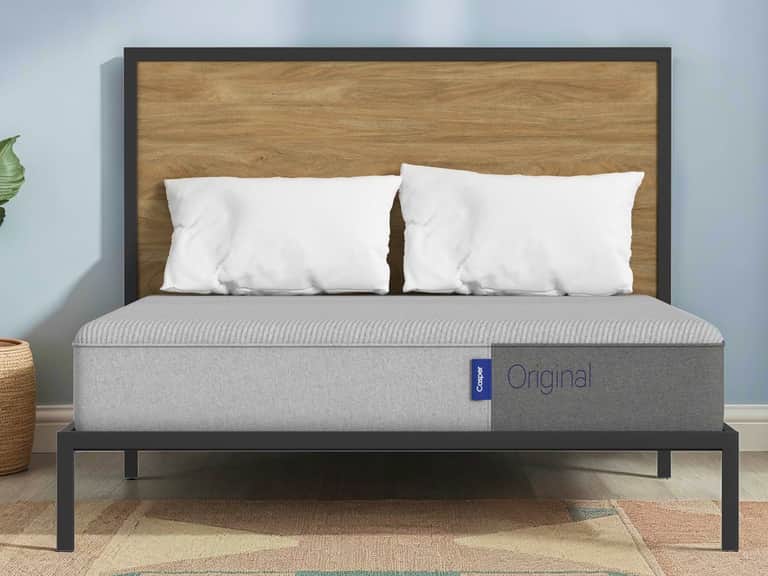
In the context of foam mattresses, the Original Mattress emphasizes a balanced feel with contouring comfort and stable support. Its multi-layer design typically combines a soft comfort layer with a firmer base, delivering targeted pressure relief for shoulders and hips while maintaining foundational support for the lower back.
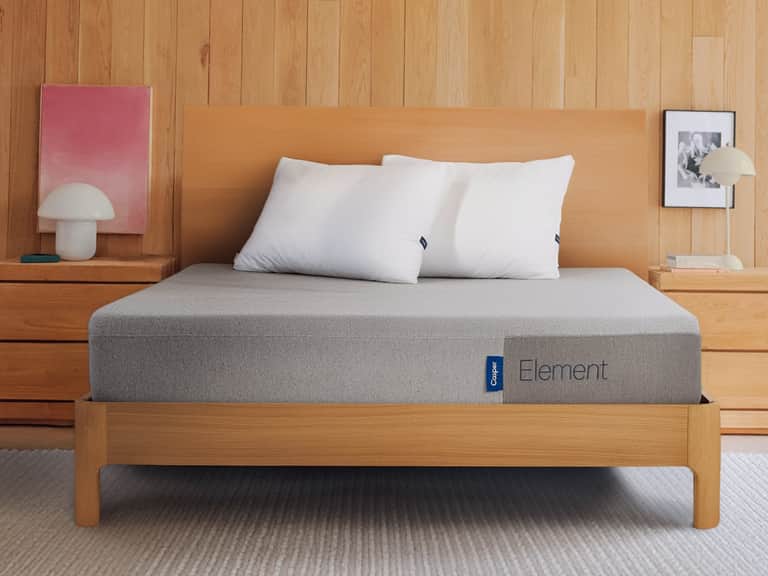
The Element Mattress adds versatility through progressive foam layering that adapts to body weight and sleeping motions. This model often features responsive foams that reduce motion transfer, helping partners sleep more soundly, while providing a breathable structure to maintain a comfortable sleep temperature over the night.
Understanding key features of foam mattresses includes considering firmness options, cover materials, and the impact of open-cell or memory foam technologies on heat dissipation. Proper selection can influence alignment, spinal support, and overall sleep quality, particularly for combinations of back, side, and stomach sleeping postures.
When evaluating foam mattress options, it is helpful to consider compatibility with related bedding accessories such as pillows, sheets, and organic mattress materials. For those seeking a cohesive sleep environment, these components—bedding, memory foam pillows, and organic options—contribute to durability, hygiene, and comfort across seasons.
 Mattresses